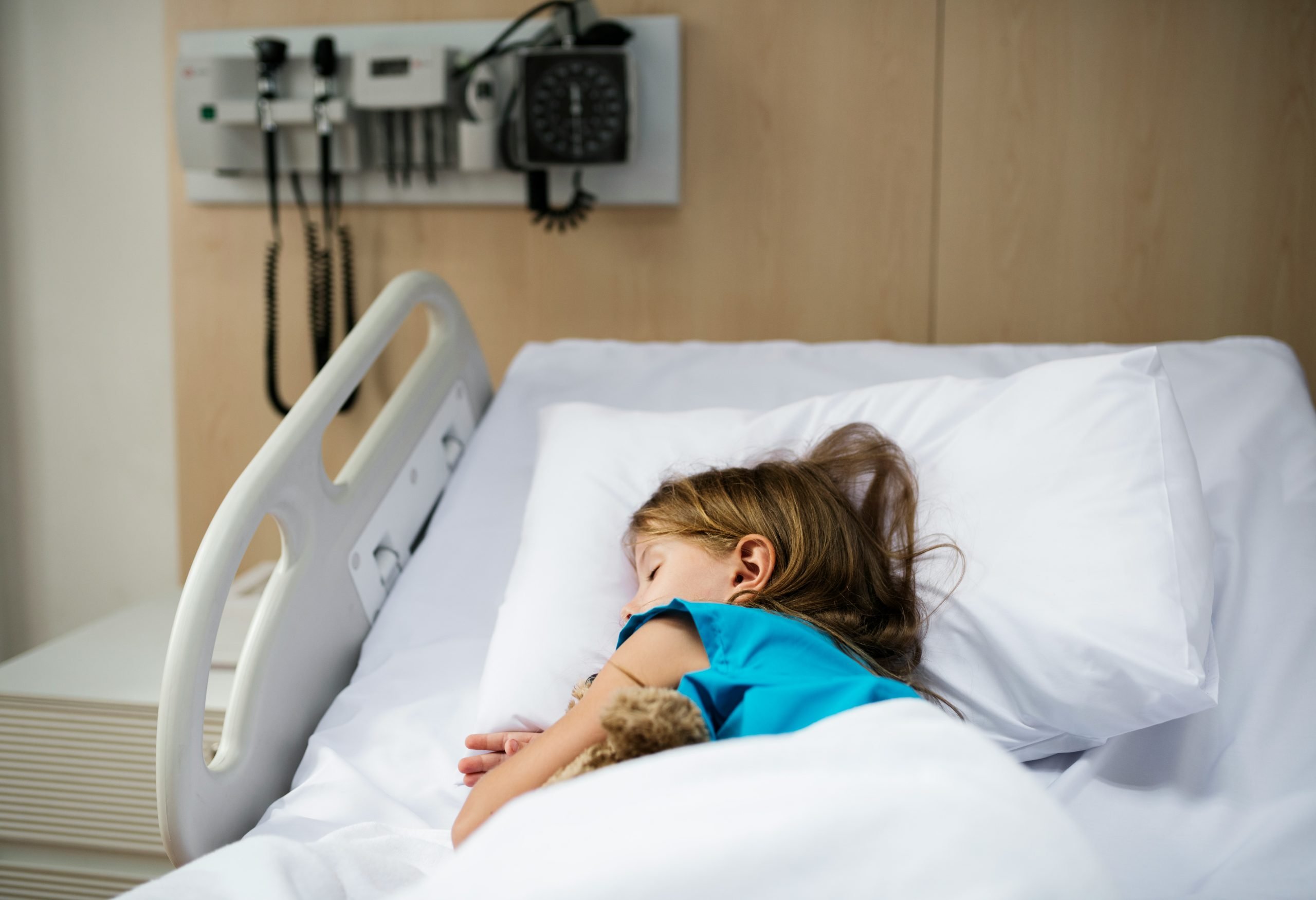

New Clinical Practice Guidelines published by the National Comprehensive Cancer Network® (NCCN®) for Pediatric Soft Tissue Sarcomas focus on rhabdomyosarcoma (RMS), the most common type of soft tissue sarcoma in patients diagnosed younger than 20 years of age, representing nearly 5% of all childhood cancers.[1]
Rhabdomyosarcoma (RMS) typically affects young children, whereas non-rhabdomyosarcoma soft-tissue sarcomas (NRSTS) are more common in adolescents. Treatment usually involves a multidisciplinary approach combining surgery, chemotherapy, and radiation.
Fundamental difference
“Most cancers that occur in children are fundamentally different from cancers occurring in adults,” explained Stephen Skapek, MD, Duke Cancer Institute, Chair of the NCCN Guidelines Panel for Pediatric Soft Tissue Sarcoma.
One of the fundamental differences is that childhood cancers are rarely linked to lifestyle or environmental risk factors. They are often the result of random genetic mutations or inherited genetic syndromes. In contrast, many adult cancers are associated with long-term exposure to risk factors like smoking, alcohol use, sun exposure, diet, infections, and environmental toxins.
Another key difference is that pediatric cancers often arise from developmental processes gone awry—errors in cell growth and differentiation that occur as the body is developing. The genetic mutations involved are usually different from those in adult cancers. In contrast, adult cancers generally develop over many years due to the accumulation of genetic mutations and are often influenced by chronic inflammation or DNA damage from environmental exposures.
In essence, childhood cancers are typically driven by different biological mechanisms, have distinct risk factors, and respond differently to treatment compared to adult cancers. This distinction has important implications for research, treatment, and survivorship care.
Genetic changes and outcomes
“Rhabdomyosarcoma can be divided into specific subtypes that are driven by different genetic changes that can influence outcomes. Those changes, along with other clinical and pathological features, are incorporated into the multifaceted treatments,” Skapek explained
That’s why it was essential to form a group of leading, multi-disciplinary experts from across the country to put together a roadmap for diagnosing, risk-stratifying, and treating these patients,” he added.
Difficult to diagnose
“Children are most likely to be diagnosed with RMS at a very young age, toddlers or early elementary school,” added Panel Vice-Chair Douglas Hawkins, MD, Seattle Children’s.
“When treating someone so young, you are not looking to just prolong survival; the goal is a full cure with minimal side effects and zero recurrence.”
RMS is tricky to diagnose; it can be located almost anywhere on the body. When it occurs in the head, neck, or limb, it may present as a lump with or without pain. Other times it occurs on an internal organ, which might cause problems with breathing or urination.
There are three major risk groups with varying survival rates. The intensity of the treatment, which typically includes chemotherapy, surgery, and radiation therapy, must be tailored to the risk group, age, and the patient’s developmental stage, which may be affected by the treatment.
The new NCCN Guidelines explain how to provide treatment in a way that balances the goal of cure with the need to minimize acute side effects, such as severe infections, and long-term effects that could cause additional problems in the future.
__
Note: * All NCCN Guidelines are available for free download via NCCN.org or through the Virtual Library of NCCN Guidelines® App. They were downloaded more than 18.4 million times in 2025. Numerous independent studies associate guideline-concordant care with better outcomes and lower costs.
Reference
[1] Loeb DM, Thornton K, Shokek O. Pediatric soft tissue sarcomas. Surg Clin North Am. 2008 Jun;88(3):615-27, vii. doi: 10.1016/j.suc.2008.03.008. PMID: 18514702; PMCID: PMC4273573.
Featured image © 2024 – 2026 licensed under the Unsplash+ License. used with permission.
DOI