


Head and neck squamous cell carcinoma (HNSCC) clinical trials are frequently derailed before they can deliver answers. Despite adequate trial initiation, the factors driving these trends remain unclear.
A new analysis suggests that the most common reasons are sponsor decisions related to safety or effectiveness and poor patient recruitment.
Researchers from Sylvester Comprehensive Cancer Center, part of the University of Miami Miller School of Medicine, and collaborators analyzed 692 clinical trials* launched** between January 1, 2000, and December 31, 2024, with trial failures defined as early termination or withdrawal. Trial characteristics were compared between failed clinical trials and completed clinical trials. The data was analyzed between June 2025 and August 2025.[1]
A retrospective query
Alex Reznik, an M.D., Ph.D. student at the University of Miami and co-author, described the study as “A retrospective query of head and neck cancer clinical trials in which we compared trial characteristics between failed clinical trials and completed clinical trials.”
The findings, published in the January 2, 2026, edition of JAMA Otolaryngology–Head & Neck Surgery, included 346 case-control studies that were terminated or withdrawn early.[1] The leading culprits?
- Strategic decisions by sponsors, often unrelated to safety or efficacy (29.5%)
- Poor patient recruitment (26%)
Early-phase trials and those testing immunotherapies or targeted therapies were more likely to fail because of sponsor-driven decisions. Later-phase trials investigating chemotherapy, radiation, or combination treatments struggled with enrollment.
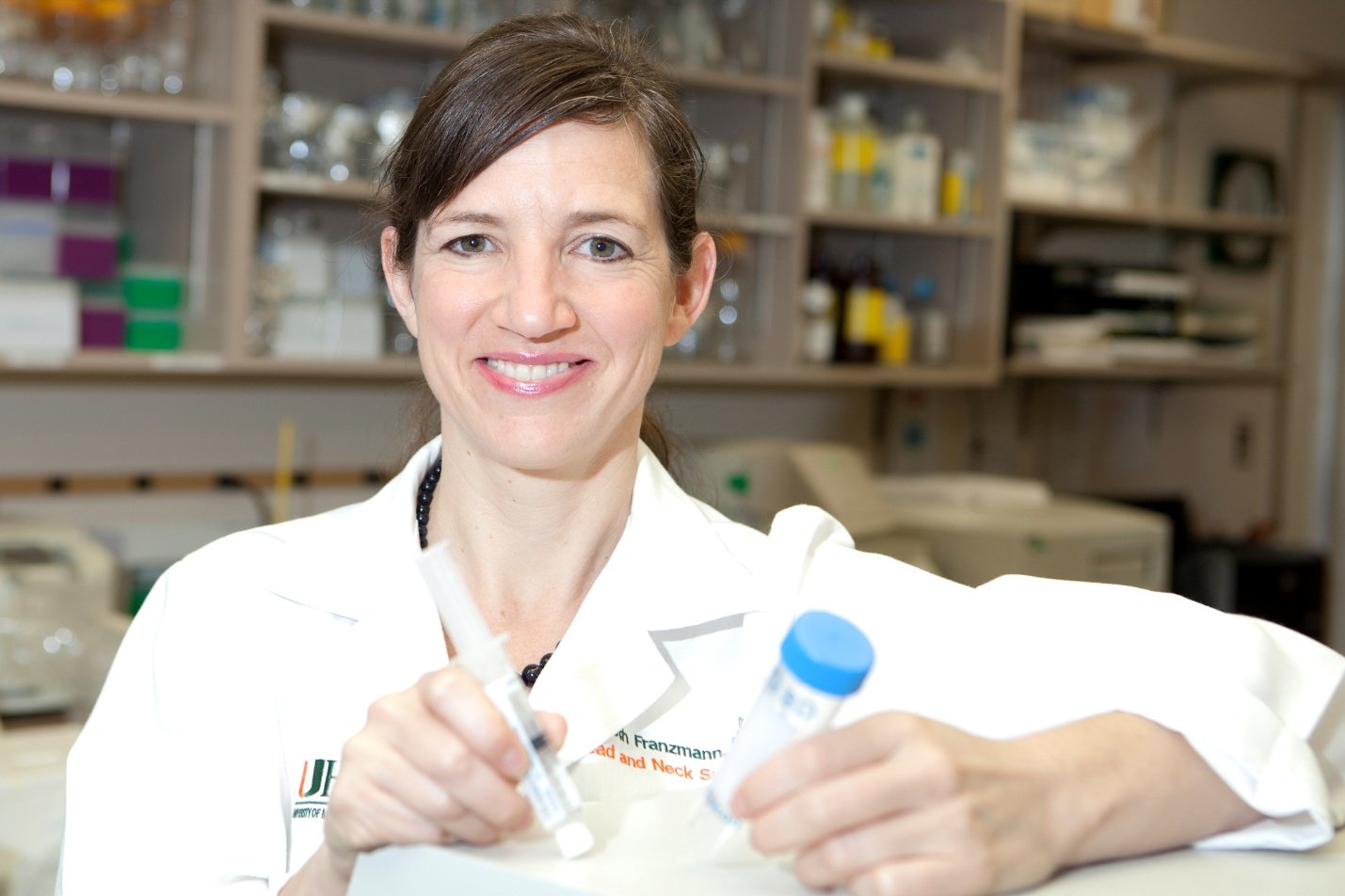
“Understanding why trials fail is the first step toward designing studies that succeed. Every failure represents lost time for patients who urgently need better options,”
explained Elizabeth Franzmann, M.D., who is a professor of otolaryngology and director of head and neck research at the Miller School and co-author of the study.
Industry- vs government-sponsored trials
Industry-sponsored trials were nearly three times more likely to fail compared with government-funded studies. Academic- and network-funded trials fared better, primarily because they prioritized patient recruitment and broader eligibility criteria.
Enrollment size also played a critical role. Trials with larger participant numbers were significantly more likely to be completed. Conversely, restrictive eligibility criteria and logistical hurdles often doomed studies before they could deliver results.
“Beyond the science, study design plays a critical role in trial success, especially recruitment and eligibility. Recruitment challenges are not just statistics—they reflect real barriers for patients, and digital outreach can help improve access,” said first author, Janice Huang, an M.D./Ph.D. student at the Miller School.
Progress Delayed
Clinical trial failure isn’t just a research setback—it delays progress for patients and drives up costs. Developing a new cancer drug can cost more than US$2 billion, and each terminated trial adds inefficiency to an already complex system. “Often, we think about clinical trial failure as not reaching primary endpoints (e.g., the clinical efficacy required to demonstrate the success of the intervention of interest); however, we decided to investigate the understudied and clinically significant pattern of early trial termination – studies that don’t even make it to the finish line,” said Reznik.
The study also found that failure rates have climbed steadily over the past two decades, underscoring the need for innovation in trial design. Solutions such as decentralized trials, adaptive protocols, and nurse-led navigation could help overcome these barriers.
“Clinical trials are how hope becomes care,” Franzmann concluded.
__
Note: * 346 case-control studies of failed trials and 346 completed control trials, including industry-sponsored phase 1 trials.
** For this study, clinical trials were identified on ClinicalTrials.gov.
Reference
[1] Huang JJ, Reznik AS, Sonis S, Franzmann EJ, Villa A. Clinical Trial Termination or Withdrawal in Head and Neck Squamous Cell Carcinoma. JAMA Otolaryngol Head Neck Surg. 2026 Jan 2:e254766. doi: 10.1001/jamaoto.2025.4766. Epub ahead of print. PMID: 41481330; PMCID: PMC12761761.
Photo Caption/Credit: “Understanding why trials fail is the first step toward designing studies that succeed. Every failure represents lost time for patients who urgently need better options,” said Elizabeth Franzmann, M.D., co-author of the study. Photo courtesy © 2025 – 2026 Sylvester Comprehensive Cancer Center. Used with permission.
DOI




 clinical trials are frequently derailed before they can deliver answers. Despite adequate trial initiation, the factors driving these trends remain unclear.)